
01
Live after-hours video watch
Scheduled coverage during close-to-open windows. We watch perimeters, tunnels, vacuums, gates, drive aisles, and people where they should not be.
Virtual SOC · Car wash & self-storage
WatchPoint is a virtual security operations center for independent operators with fewer than ten locations. We watch video and alarms when your staff goes home — then verify, intervene when you have audio, and escalate by the rules you approve.
The gap
Many car washes sit unmanned overnight with tunnel equipment, pay stations, and open pad sites. Self-storage lots deal with tailgating, after-hours access, unit break-ins, and theft. Playback tells you what already happened. A large monitoring center often treats a three-site operator like a ticket.
Services
Large live-video firms sell detect, verify, deter, and dispatch. WatchPoint uses that same sequence on the cameras and alarms you already have — without a platform sale or an enterprise-sized contract.
Scheduled coverage during close-to-open windows. We watch perimeters, tunnels, vacuums, gates, drive aisles, and people where they should not be.
Gate, door, motion, or panel events get a camera look before you get a 2 a.m. “maybe nothing” call — or a needless police roll.
If speakers or talk-down cameras are on site, we can challenge trespassers in real time and keep a record of the interaction.
You set who we call, when police get involved, and what “real” looks like at each site. We follow that runbook.
A dark camera is not security. We watch for offline streams and recording gaps so sites stay connected, not just installed.
Plain-language summary: what happened, what we did, timestamps or clips, and anything that needs a follow-up on site.
Industries
We do not monitor every commercial property. The work is built around how independent washes and storage sites actually run overnight.
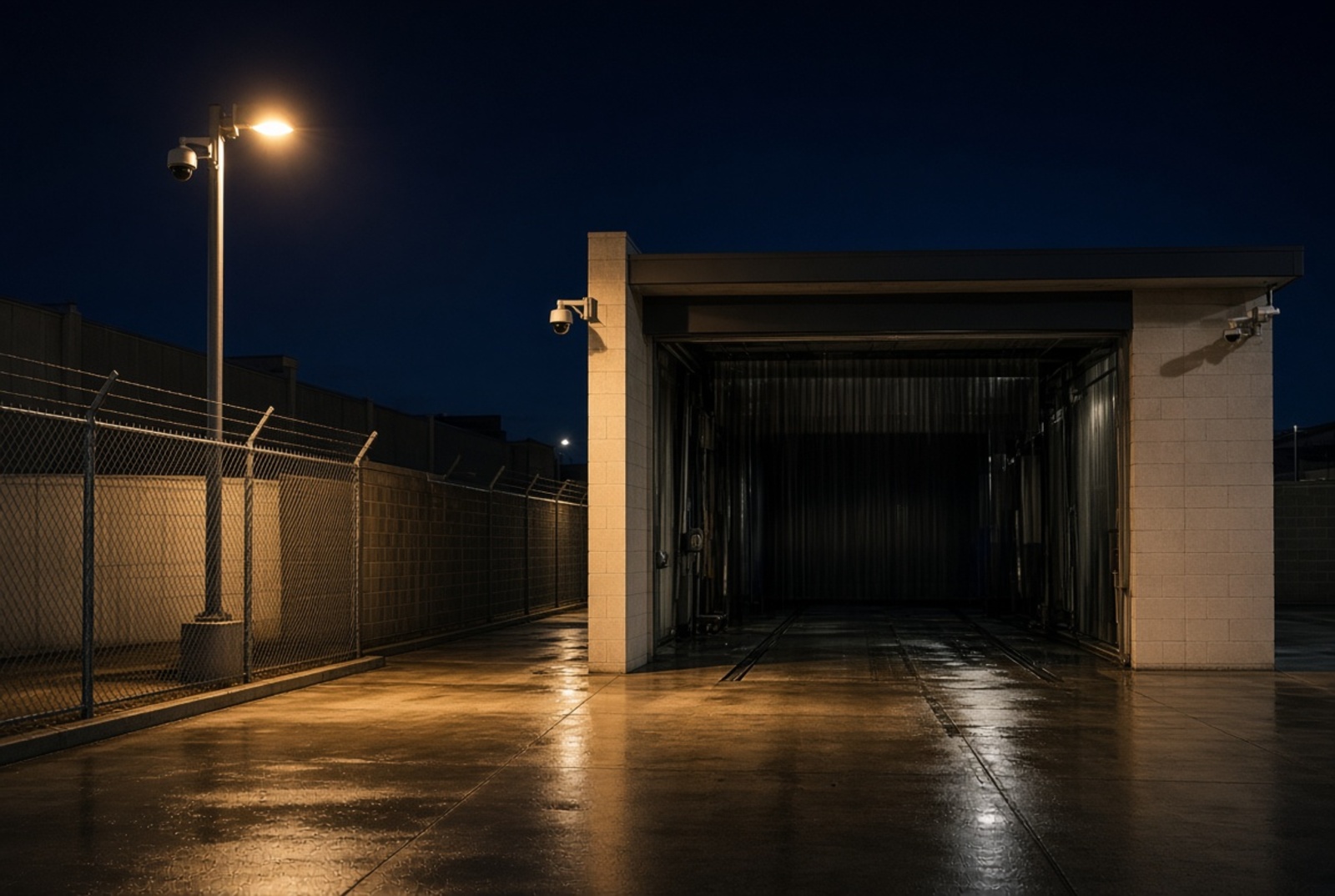
Express exterior, in-bay, self-serve, and flex-serve sites that sit empty overnight.
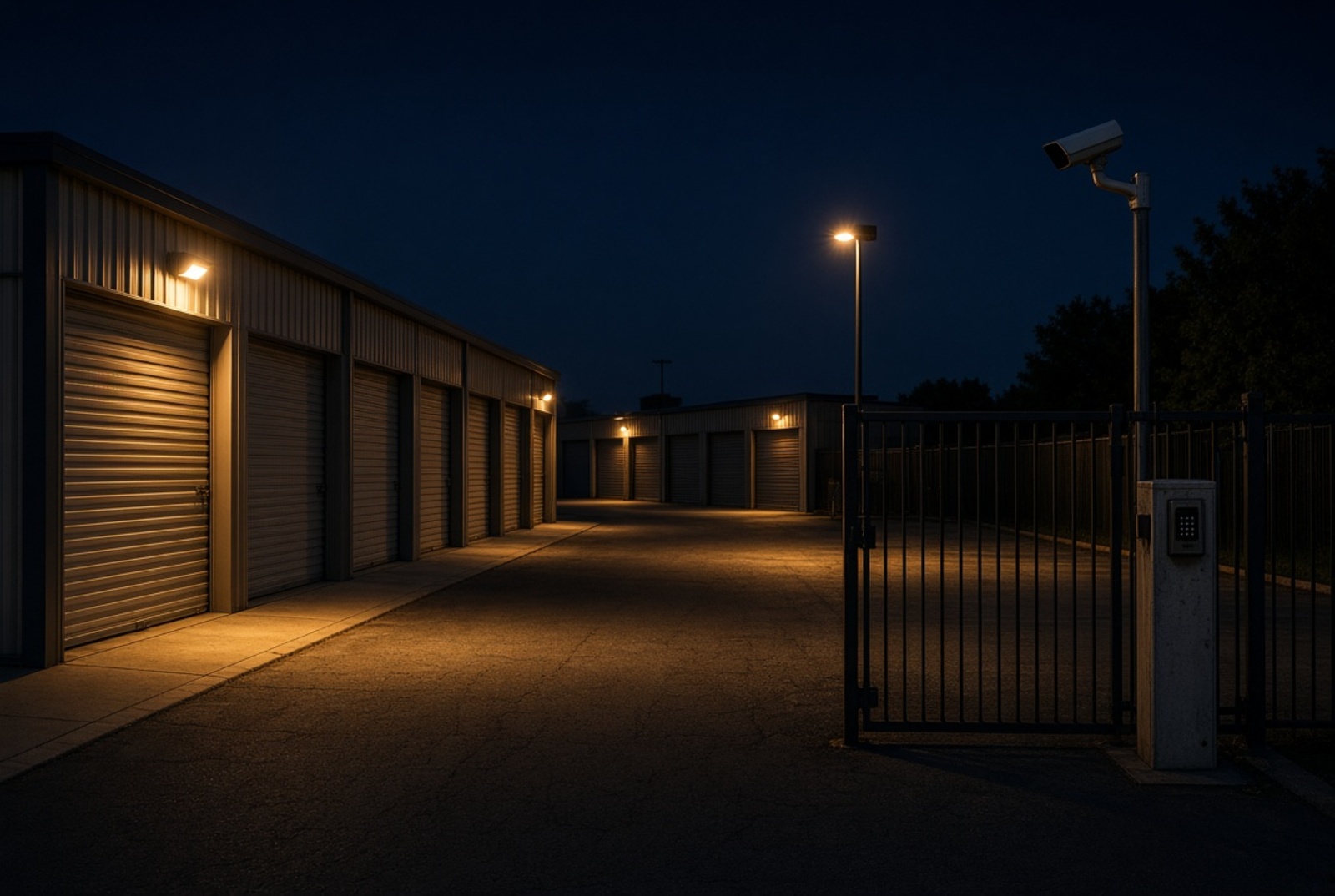
Single-site and small multi-site facilities, including vehicle and outdoor storage.
Response model
Same sequence used by live-video monitoring companies. The difference is who is on the other end of the runbook — one operator who learns your sites, not a rotating queue.
After-hours coverage on the cameras and alarm points in your runbook. Motion, gate, door, and people in restricted areas get attention first.
We look at the matching cameras before anyone is woken up or police are called. Wildlife, dryer vibration, and headlights are not incidents.
If the site has audio, we talk down. If it does not, we still document and move to the next step in your procedures.
We notify the people named in your runbook and involve police only when those rules say to. You get a morning note with what happened and what we did.
Onboarding
Camera count and views, recorder or cloud system, alarm points, speakers, and the hours you need watched. No obligation.
What “normal” looks like at each site, who to call, when police are involved, and what we ignore.
Remote views into the system you already have whenever possible. If a stream or camera is a gap, we say so before coverage starts.
Watch begins on the agreed window. Procedures can be tightened after the first couple of nights — that is expected.
Compare
National live-monitoring firms are built for volume, certifications, and hardware sales. That is the right tool for some operators. It is the wrong tool for most independents with a handful of sites.
| Need | Cameras only | National live-video firm | WatchPoint |
|---|---|---|---|
| After-hours eyes | Playback in the morning | Yes, usually 24/7 center | Yes, on the window you buy |
| Who is watching | Usually nobody live | Rotating operators / AI queue | One operator who learns the site |
| Fit for 1–10 sites | Yes | Often priced or staffed for more | This is the intended customer |
| Use existing cameras | Yes | Sometimes, often with their hardware | Default starting point |
| Talk-down / police | No | Yes, per their SOP | Yes, per your written runbook |
| UL / Five Diamond center | No | Often yes | No. We do not pretend otherwise. |
Fit
Based in Franklin, Ohio. Remote coverage nationwide when the cameras, hours, and site type match what we can staff well.
FAQ
Usually no. We start with the recorder, cloud system, or camera login you already have. If a view is blind, offline, or too poor to verify an alarm, we tell you before coverage starts instead of selling a truck roll you did not ask for.
The product is after-hours watch on the window you choose — typically close to open, plus weekends or holidays if that is when the site is unmanned. Continuous 24/7 floor coverage is a different service and not what we sell by default.
Only when your written runbook says to. Default pattern is verify first, talk down if you have audio, notify you, then involve police when the event is real. We are not a UL-listed central station and do not market ourselves as one.
Yes, when remote access is solid and the coverage window is something we can staff. Distance is not the limiter. Blind cameras, unstable connections, and sites that need a physical guard are.
Those firms run large monitoring centers, often with their own hardware, AI platforms, and certifications built for multi-site portfolios. WatchPoint is one operator, two verticals, existing cameras first, and a runbook written around your locations. If you need a certified central station and a national contract, that is the other category.
Pricing depends on site count, camera count, coverage hours, and whether talk-down and alarm verification are in scope. We quote after the site review so the number matches the work, not a generic per-camera card.
Start here
Tell us the site type, how many locations, what is already installed, and the hours you need watched. We will follow up with a straight answer on fit — including if we are not the right firm.